| Back to Back Issues Page |
 |
|
Garden Bliss & Blunder, Issue #62 October 07, 2026 |
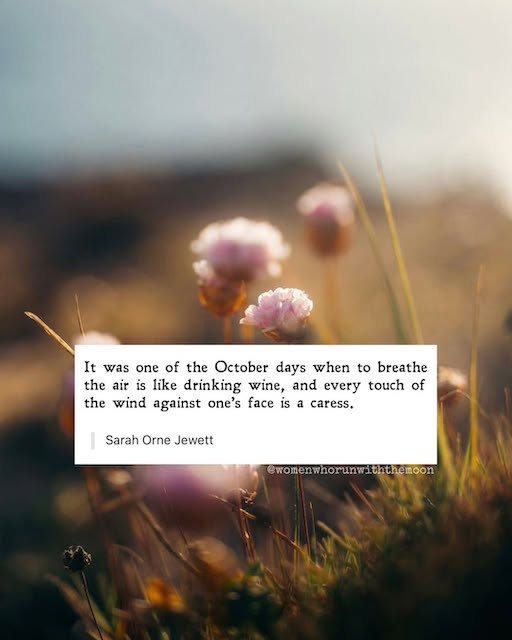
OCTOBER SPLENDOR...
“The link between things grows weaker now. The twig can no longer support the leaf, the branch is ready to release its fruit and the ground turns cold against the root. Instinctively we resist these separations, reaching for each other’s hand as we walk across the frost-strung grass, then turning quickly back toward home before night drops.” unknown
Fall drive - Jen Bird FALL PLANTING...Yes, plant perennials in autumn, rather than in spring. The plant will then spend both the winter and spring creating and strengthening its roots . The soil is still warm and when the plant meets its first summer, that root system is already strongly in place. Planting in May when the soil is not yet warm means the plant’s first summer has only a few weeks to establish new roots when we expect it to bloom. That being said: PLANT when you CAN and PLANT when you are EXCITED! HOW TO PLANT: Dig a wide hole, rather than a deep one as roots spread sideways first. A taller narrow hole in compacted soil is like an invisible pot where the roots will not spread out. Water generously when you plant, then water every 3 days for a couple of weeks which forces the roots to seek water lower in the soil. Water throughout the first year, even if they are “drought-resistant’ or dry-loving plants. Water them now so they won’t need it again. Mulch immediately, leaving it away from the base of the plant, or crown.
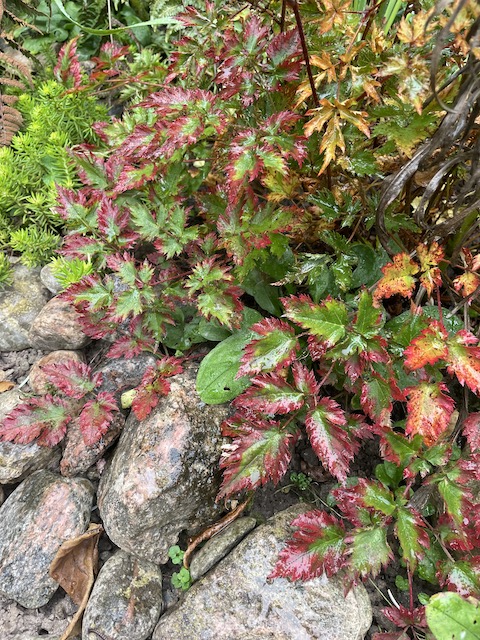
FAVOURITE PLANTS...I say this every year.... and yet I am always surprised there is a new one, or one I have not considered and here a few from this year.
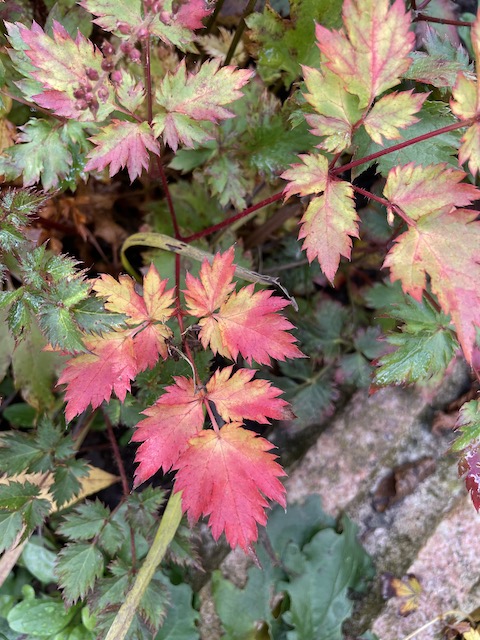
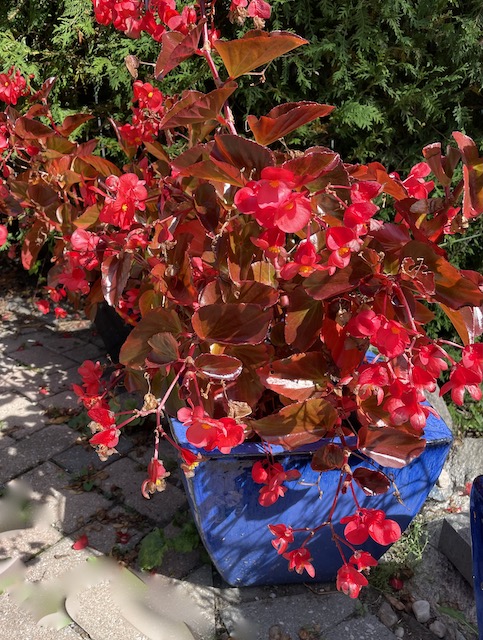
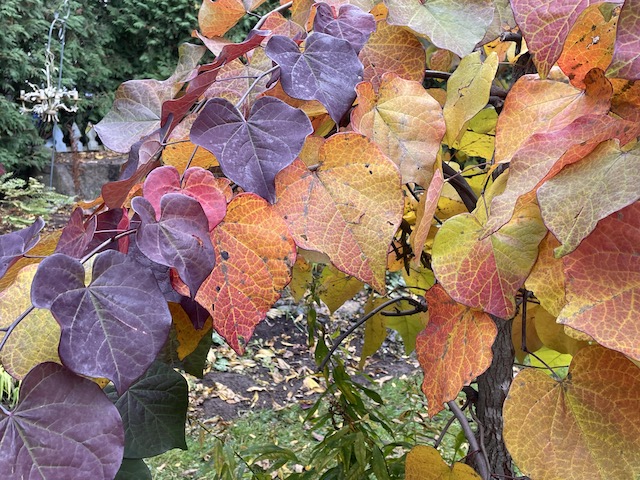
Look at what those leaves do in early October !!
Photo: Cauleen Viscoff
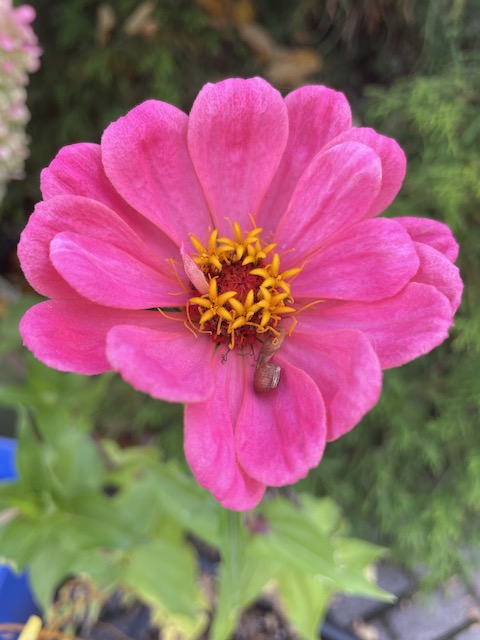
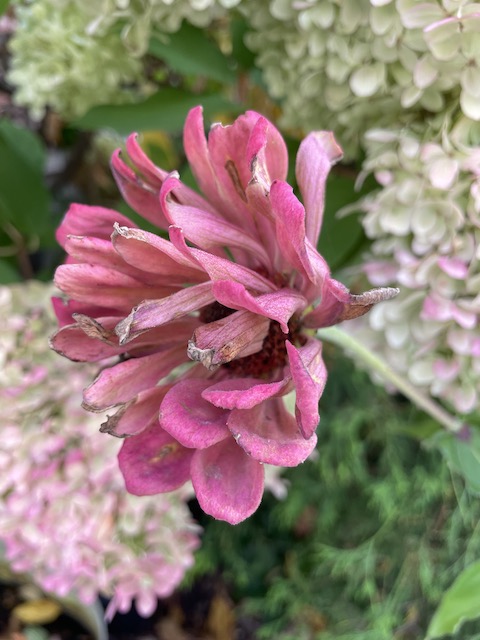
Look at this gorgeous colour! Zinnias are annuals and I confess to not planting many - but I have lots of blue pots so I wanted colour and impulsively got a flat of young Zinnias... wow... what a deal ! They don't stop blooming with colours ranging from pink to red, orange, yellow and burgundy... and make wonderful cut-flower bouquets. Even when dying, still look stunning....
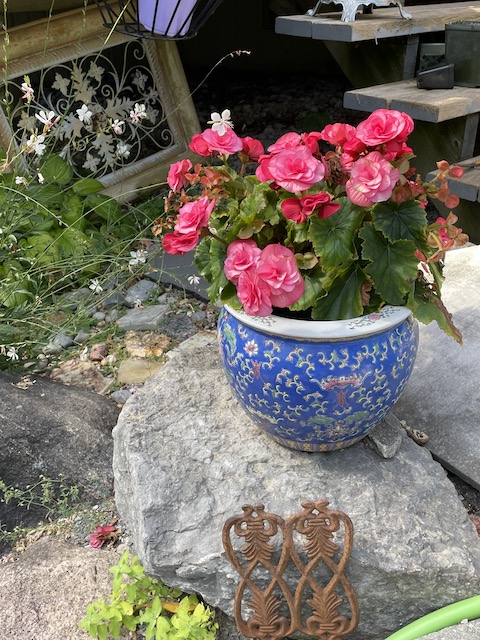
Another annual that just doesn't quit and needs very little care. Begonia...If you have a patio or small balcony, try them
Below- a "Dragon Wing Begonia"
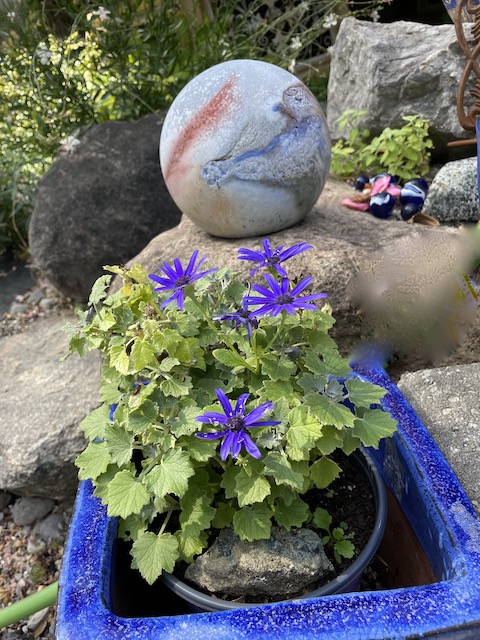
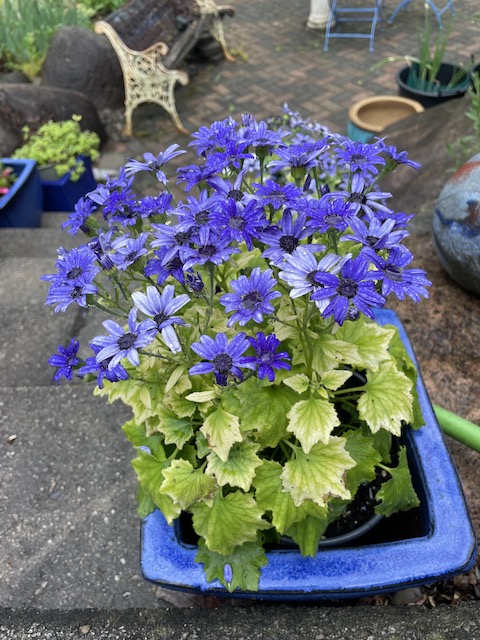
I LOVE blue pots, so imagine finding a truly blue flower !! This is Pericallis (“pop-bang-blue”) or Pericallis senetti blue
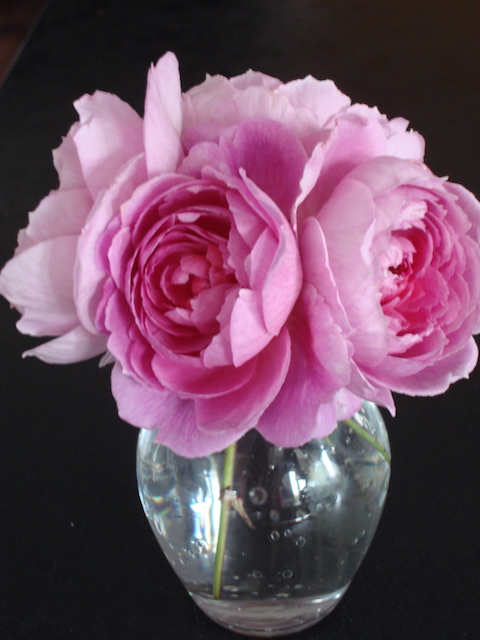
WHAT ABOUT ROSES?It's time to stop dead-heading and let the roses form hips…. Leave any pruning until spring so all that lovely green (full of carbohydrates and nutrients) can go down canes to strengthen the roots for winter. You can prune off obvious dead or very long branches that may break under ice or wind - or snag you or your pet on the way by. Let the petals fall and if there are a couple of new blooms, cut one and bring inside but be sure to check for sleeping bees and leave them be. PLANTING or MOVING ROSES? YES... the soil will be warm until early November ... make sure you plant water deeply - if it's a grafted rose, bury the graft at 3 -4 inches below soil level and then before the ground freezes, add compost to hill up the rose around the base.... then mulch.... yes, mulch will keep the soil moist and offer some protection from snacking bunnies that love those new green canes.
More about Roses? Listen...I was delighted (and a bit nervous) to be interviewed by Joanne Shaw on her "Down the Garden Path" podcast about Roses last week... She has a lot of great podcasts so for this one. ... here is the link:
Down the Garden Path podcast-Roses
Put a sweet bouquet on your desk, or beside your bed.
PLANTING BULBS...
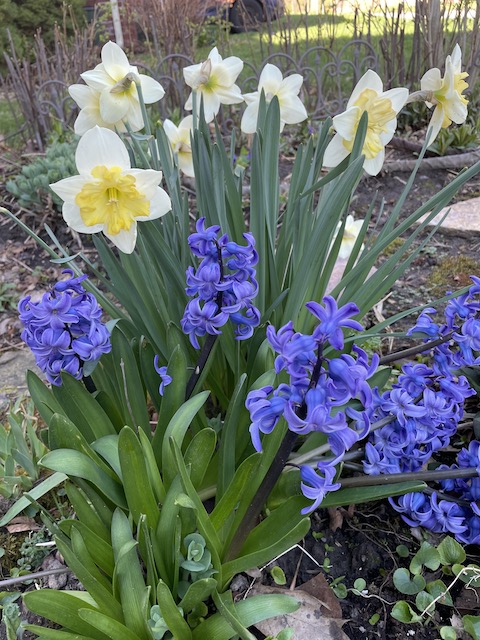
Photo: Steven Leak
DAFFODILS, HYACINTH, ETC…. mid October TULIPS: late fall…. plant deeply (8 inches) otherwise, in our garden, the squirrels dig them up, sigh... You can plant other bulbs in the same hole for a stunning display
DIGGING TUBERS and CORMS...
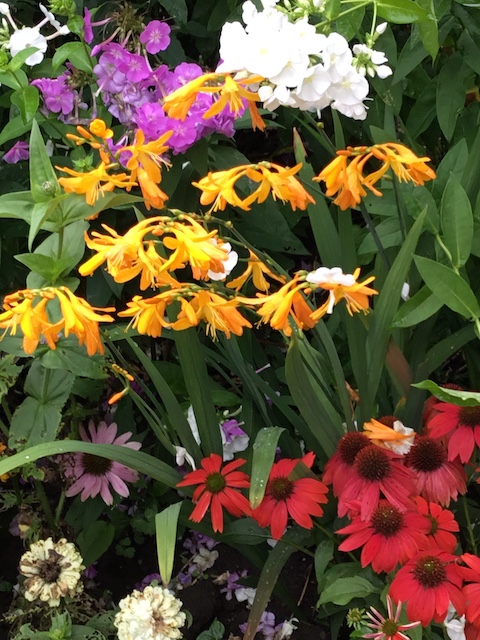
Wait until after the first hard frost when the leaves are brown, (could be late October or even November) then dig Dahlia, Crocosmia, Acidanthera, Canna or Glads.
Brush off the dirt - don’t wash them and make sure they are very dry before storing in a paper bag and put them in the dark - otherwise they’ll more easily rot.
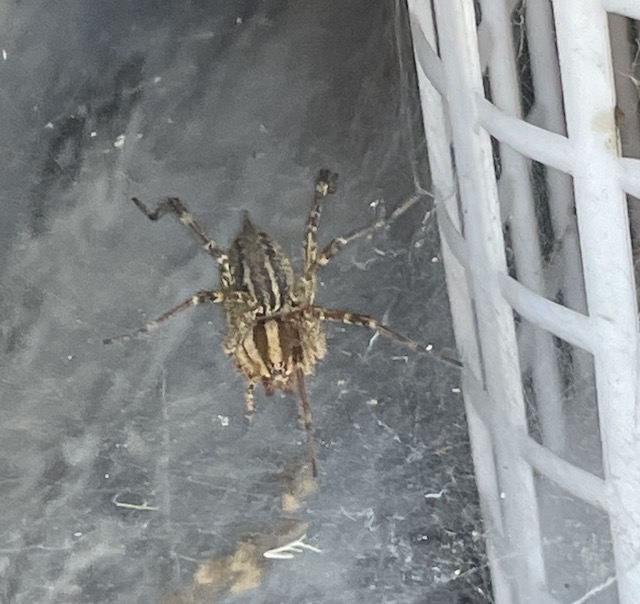
Crocosmia REMEMBER OUR GRASS SPIDER?
... this poor soul was missing 2 legs - we named it "Charlie" and made its home in our mailbox…. we said hello every day for a few weeks until a few days ago …. sadly, I suspect its life was over as the nights are pretty chilly and they don't survive our winters but do lay eggs for the next generation
... just hoping it had a pretty good life in that mailbox for awhile. The mailman giggled when we put a note with a temporary pot for mail beneath it.
HOW LEAVES CHANGE COLOUR...
Photosynthesis - is where plants turn water and CO2 into O2 and sugar Chlorophyll (green pigment) helps this to happen Temperatures begin to drop and more sugar is produced for winter energy Cool night temperatures close leaf veins, trapping sugars Sunlight turns the trapped sugar into reds and golds The brown in oak leaves is from leftover "waste"
BUMBLEBEES...Bumblebees are able to fly in cooler temperatures and lower light levels than many other bees A sleeping bee's antennae will stop, their head and tail tucks in and the wings rest on their body. Female solitary bees sleep in their nests but male solitary bees sleep outside, resting in places like grass stalks or in flowers. (The Xerces Society for Invertebrate Conservation)
SOLITARY BEES...
HONEY - DID YOU KNOW?
Honey contains live enzymes so coming in contact with a metal spoon, kills off those enzymes - eat honey with a wooden spoon or plastic Honey is high in flavonoids, improves antioxidant ability, critical for memory formation Honey alone can sustain human life - a spoonful of honey can keep a person alive for 24 hours Propolis produced by bees is one of the most powerful natural antibiotics. Honey has no expiry date - it’s already been digested A Honeybee lives less than 40 days, visits at least 1000 flowers and produces less than a teaspoon of honey, but for her it is the work of a lifetime.
LET'S DO MORE TO SAVE OUR BEES
FALL TASKS...
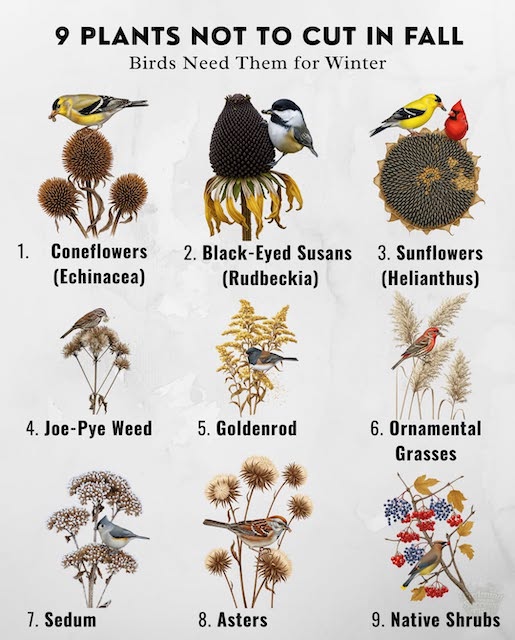
Make your work easier this fall....Leave your garden standing …. cut some hollow stems and lay them on the ground for beneficial insects to sleep in over winter. Plants left alone in your garden create safe spaces for small critters and insects to hide during cold or storms
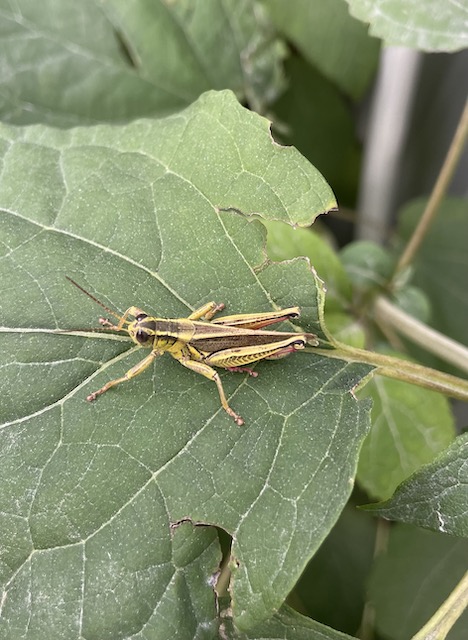
My sketch of the look a Grasshopper might give me when I take away its habitat. GARDEN TOOLS...CLEAN, dry, sharpen and oil them before you put them away…. otherwise when spring comes, the rust and dirt will make them difficult to clean and sharpen. Be ready to go when spring surprises you. UNTIL NEXT TIME...
Sit outside in any bit of sun you can find - even for just a few minutes … this glorious weather will not last.
Lucy LOVES sitting on the deck in the sun.
Take photos Make notes and plans And love your garden; praise yourself for what you have accomplished this season LUCY SAYS...
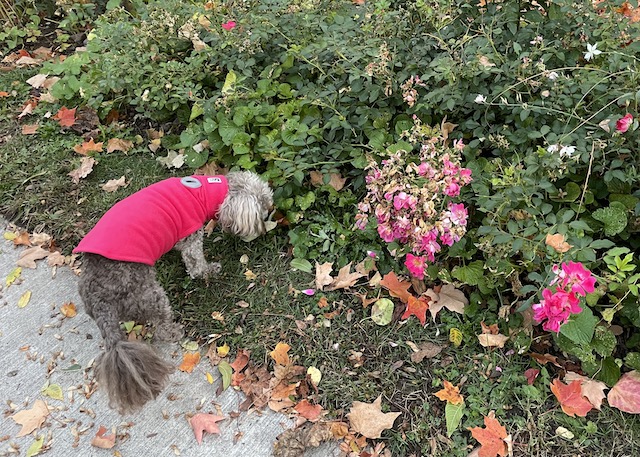
It's a good time for a new fall shirt ... especially if it matches the roses.
...and Happy Hallowe'en !
Back Issues for Garden Bliss & Blunder
|
| Back to Back Issues Page |