| Back to Back Issues Page |
 |
|
Garden Bliss & Blunder, Issue #60 August 08, 2026 |
AUGUST and Sacred Idleness“Work is not always required … there is such a thing as sacred idleness, the cultivation of which is now fearfully neglected.”
George MacDonald (1824-1905) Scottish novelist
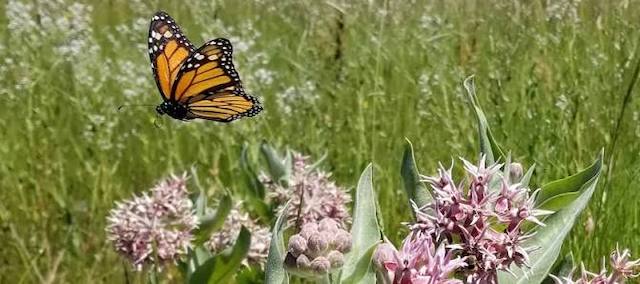
Photo: Cauleen Viscoff MONARCHS and MILKWEEDS
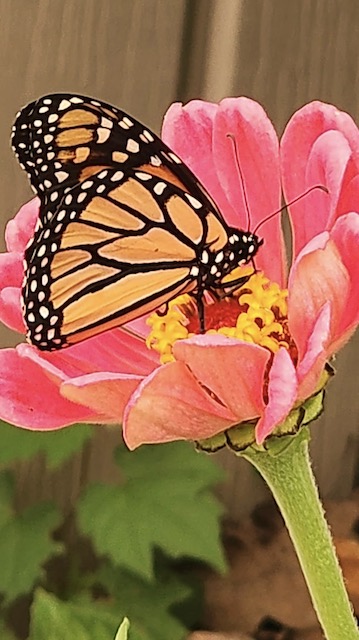
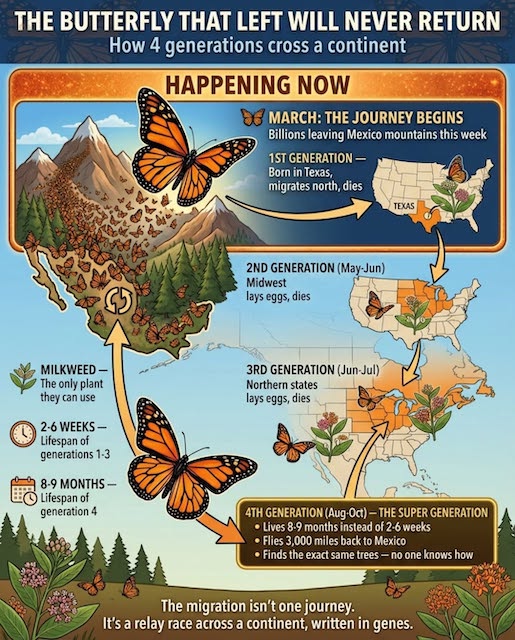
We are fortunate to have at least one Monarch in our garden ... they fly so quickly, it's hard to keep count. Imagine tiny, fragile butterflies making a journey of almost 3,000 miles !
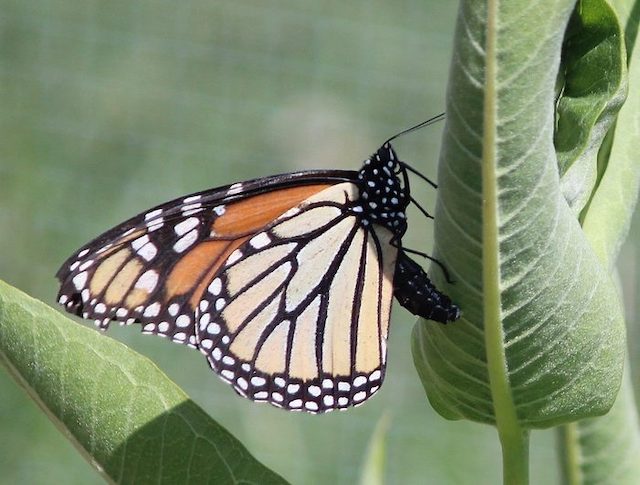
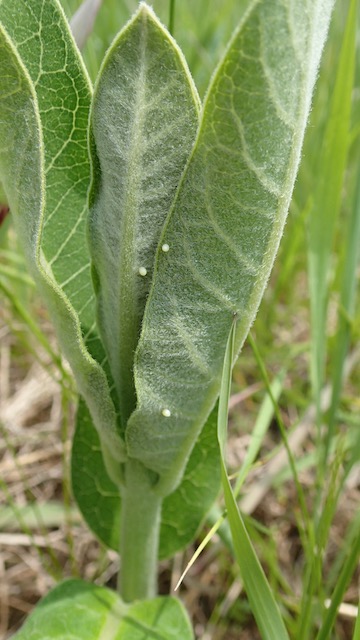
I was also lucky to see one laying an egg on the leaf of a Common Milkweed but not quick enough to get my own photo ... they put their little "feet" on one side of the leaf, stretch their long "tail" under the leaf and out pops a single, tiny egg. ... usually only one on each leaf so predators will not get them all.
Photo: Birds and Blooms
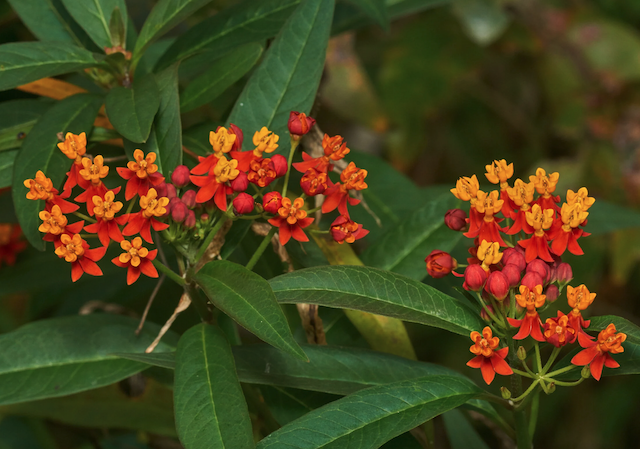
MILKWEED WARNING: ... the only plant for Monarchs... What do Monarchs eat to give them the strength and stamina? I didn’t realize why the differences between our Common Milkweed, (Asclepias syriaca L.), Native (Butterfly) Milkweed (Asclepias tuberosa) and Tropical Milkweed (Asclepias curassavica) matter so much.... Both our Common Milkweed and our Native Milkweed are safe for Monarchs. BUT... The Tropical Milkweed is also called Blood flower, Scarlet milkweed, or Mexican butterfly weed, has red petals with orange hoods and is mostly found in temperate North American regions without freezing winters… Because Tropical Milkweed does not go dormant, it can harbour Ophryocystis elektroscirrha - a parasite that can cause deformed wings, disorientation (not great for flying long journeys) … and even death to Monarchs. PLEASE PLANT THE CORRECT ONE
YES...Common Milkweed (Asclepias syriaca L) - Photo: Xerces Society
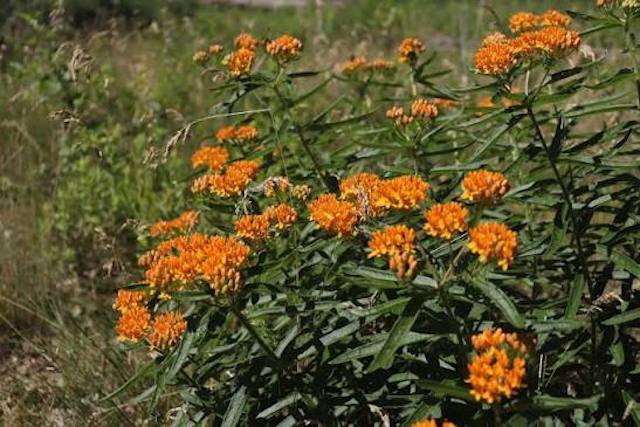
YES...Native Milkweed (Asclepias tuberosa) Photo: Ontario Native Plants
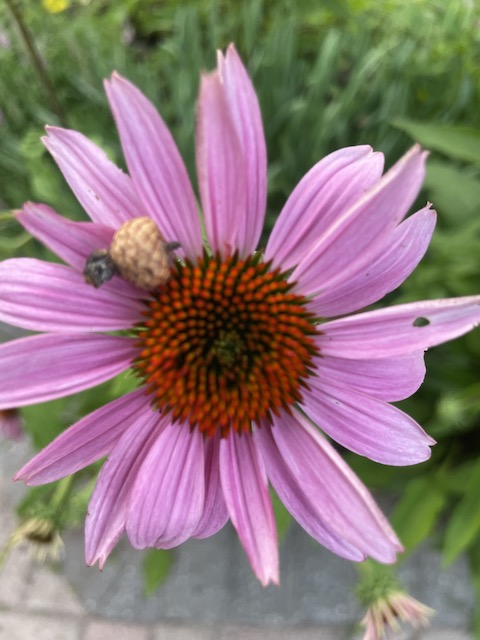
NO...Tropical Milkweed (Asclepias curassavica) Photo: Jeevan Jose MONARCH FAVOURITES ?Although Monarchs visit Goldenrod (Solidago) and Coneflower (Echinacea)
and White Heath Aster (Symphyotrichum ericoides) none of these provide the necessary fat content as the Common Milkweed. So instead of planting only what we we see Monarchs land on,
Milkweeds are the best food source - but get this….it takes one plant to feed one caterpillar…. incredible !
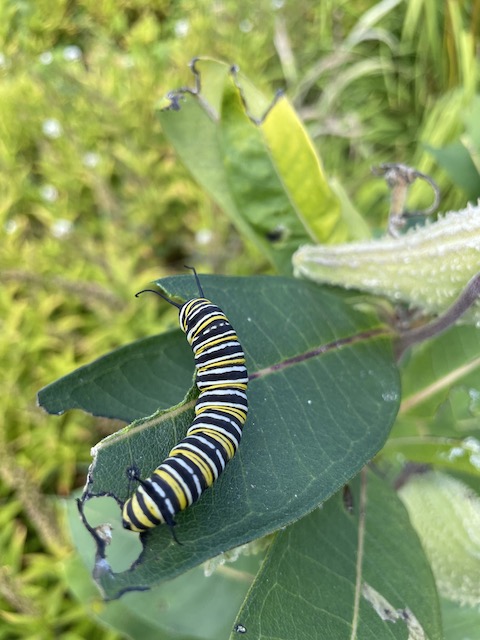
A new little baby Monarch has to eat its own eggshell just to get started. And then, because the Milkweed leaves are hairy, it has to chew off the hairs and brush them aside as they are not edible because it needs a hair-free place to begin eating….
Once it has made a space to eat, it bites into the leaf but the Milkweed fights back by oozing a toxic, milky, latex sap that can act like glue and stick its mouth shut….
What does that clever caterpillar do ? Still growing, it needs a bigger space to eat …and crawls up the leaf where the vein meets the stem biting a chunk out of it so the leaf hangs down, although still attached to the plant ….clever insect. That bite cuts off the flow of sap to the leaf and the caterpillar can now feed without any danger from that sticky latex.
Aster Yellows vs Rosette Mites...
Aster Yellows is a viral-like disease caused by a phytoplasma. When insects like leafhoppers suck sap from an infected plant, the insect itself becomes infected with the phytoplasma cells that infect its salivary glads… When it feeds on other healthy plants, it injects the phytoplasma into the new plant's phloem (vascular system) and infects the whole plant. It spreads more quickly in cool, wet weather as the leafhopper doesn't like hot dry weather. TO PREVENT SPREADING to the rest of your garden, remove the WHOLE plant (roots too) and throw in garbage…. NOT the compost bin. It can also affect carrot tops, garlic, Goldenrod
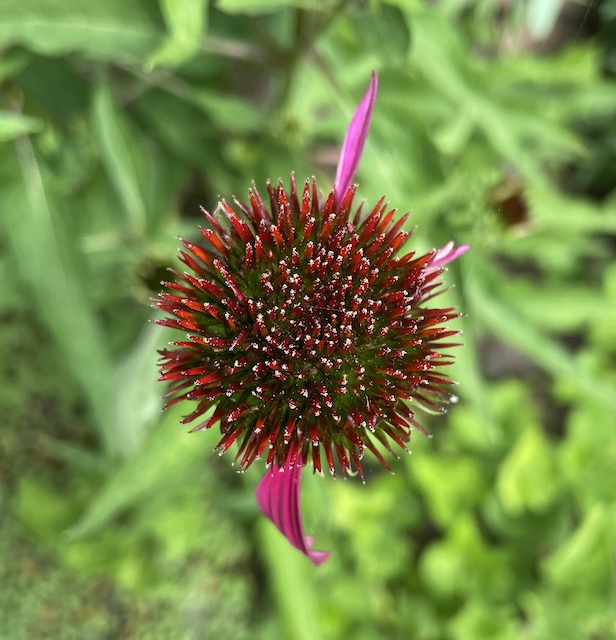
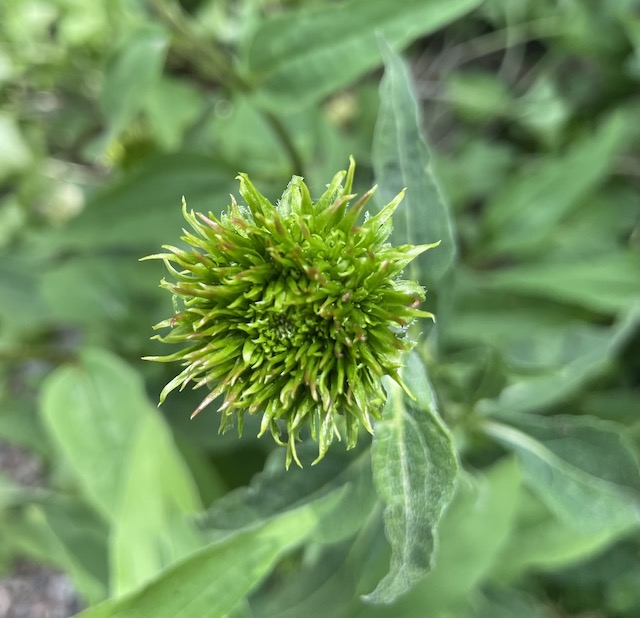
Aster Yellows ROSETTE MITES Conversely, there is a tiny Eriophyid mite, often called a “coneflower rosette mite” (not an approved scientific name as of 2023).. and can cause misshapen leaves or flowers, that often seem similar to aster yellows. Unlike Aster Yellows, the damage caused by these mites is merely cosmetic and will not kill the plant… Remove the flower head back to an emerging bud.
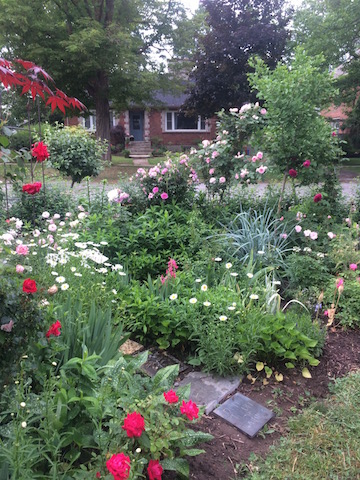
Rosette Mite on Coneflower - photo Jen Bird DEADHEAD, What?PERENNIALS: Deadhead the blooms from the daisy family (Asteraceae) includes Asters, Cosmos, Mums etc) In our garden, we have good old field daisies I grew up with which seeded themselves among the other perennials, adding a cheerful presence to the more formal plants. Look down the stems of both perennials and ANNUALS and see if there are one or more buds below that will flower - cut back to that for more blooms. We still have lots of warm days for more blooms so why not?
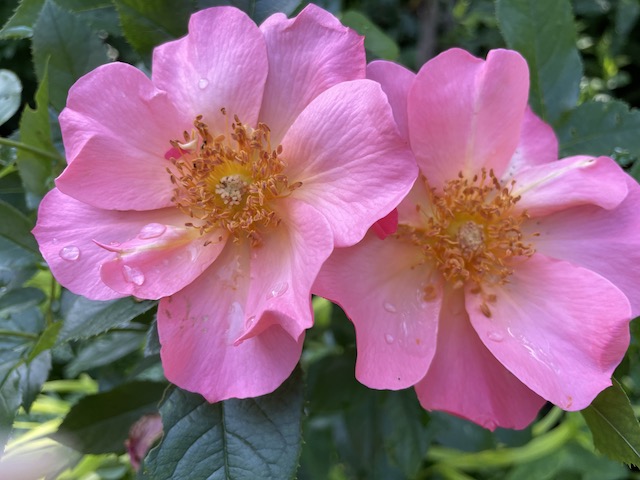
Daisies and Roses - Photo: Cauleen Viscoff WHAT ABOUT ROSES?
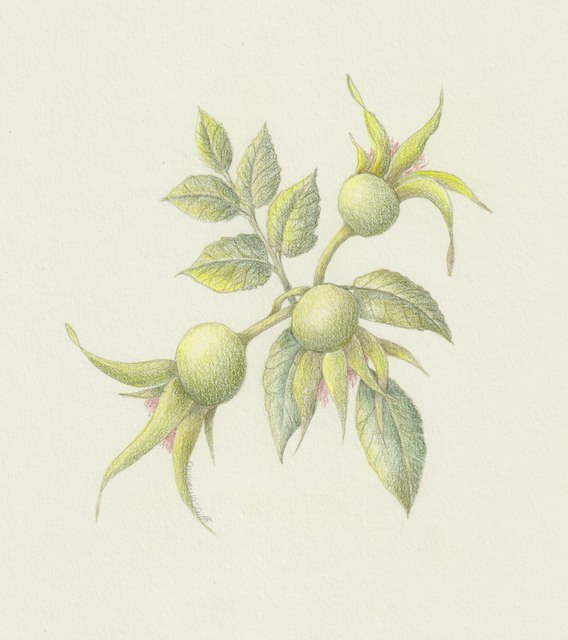
Deadheading roses tells them to produce more flowers that eventually become Rose hips (seeds). If you leave the hips, the plant will stop creating blooms Hips are actually seed heads and appear after the blooms are done. Many modern, repeat-blooming roses may not have or “set hips” because they are often created by hybridizing instead of by seed. The appearance of rose hips signals the rose is beginning to produce seed and getting ready for dormancy. Creating rose hips takes 10 times the energy it does to produce blooms, so removing them tells plant to keep blooming. NOTE- on many roses that bloom profusely, (such as Rosa Rugosa) the hips are plentiful and green during (summer) growing season so cutting them off will produce more blooms. As days get shorter (less light) and cooler nights, roses prepare for dormancy - August to September in many parts of the world. Stop deadheading in mid to late Summer and let the rose begin its journey toward dormancy. Removing hips as the rose prepares for dormancy may still produce blooms but they will be smaller and could risk freezing as an early frost in more northern zones can kill that new growth.
Sketch of Rose hips: Cauleen Viscoff HOW'S YOUR GARDEN?A friend wants to change her grass into a front garden.Her idea is to: “just do it all at once.”… I confess to having done this… then finding it didn’t work.. The plants were wrong, or in the wrong place it was too much at once, or the plant just … died ..but of course it wasn’t me, it was the plant, right?
Do I need Latin Plant Names?We try to learn the Latin names and somehow they just don’t stick. Here are some bits of plant names that might help… I still find myself using the common names because they are funnier (oh, and easier because Latin just doesn’t slide off the tongue)
RHIS = snout - Rhizomes - thick underground root like Iris or stem Ginger Majus = larger, distinguishing a larger species from a smaller one (minus) Centaur = ‘centaury’ and plant genera Centaurium or Centaurea - herbaceous thistle-like flowering plants in the family Asteraceae. Impatiens = impatient - seeds explosive - herbaceous annuals Walleriana = recognizes Waller, a botanist who collected plants from the British Isles.
Pelargos = Greek (Stork’s bill) - Pelargonium or Geranium
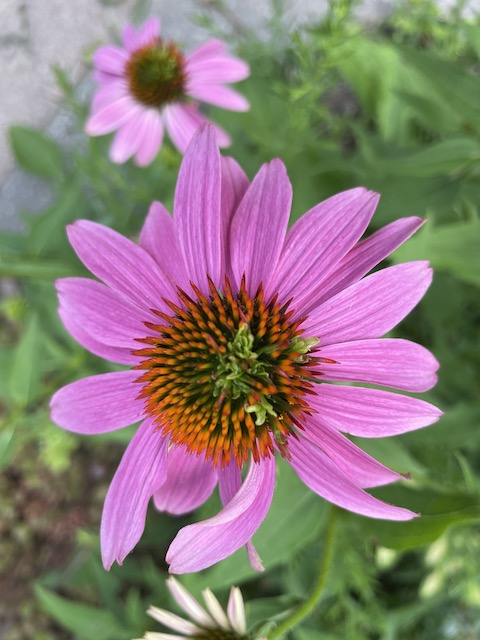
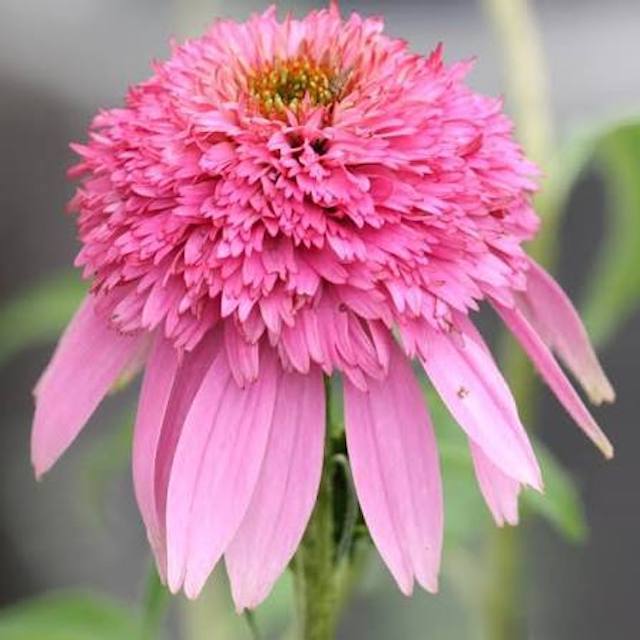
- means a hybrid, not a native (often why a perennial may not come back with the same colour you fell in love with… Coneflowers do that… they revert to their origin…. we fell in love with the “pink poodle” variety Photo- NVK Nurseries
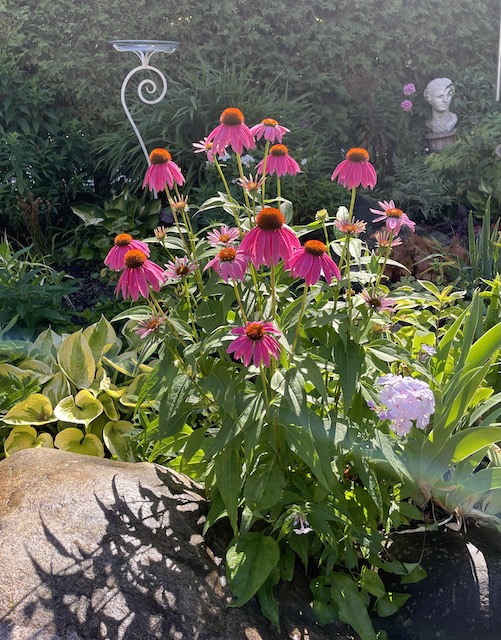
...and they came back like this... If you are starting over, whether a re-do or from scratch... add some colourful annuals to fill in any spaces you have now while you make a plan for your next step. Is it time to Divide Plants?Nope... not yet.... here in Zone 5 it is too hot.... dividing plants, moving plants and even planting them, is stressful for the plant... as well as to the gardener. The roots do need warm soil to establish, along with a good soaking every few days and many areas are on watering restrictions. Besides, didn't I say something about "Idleness"? Sit on the step, the deck, a comfy chair with a refreshing beverage and just LOOK at your garden. What stands out? Both attractively and something that grates a bit...? Take notes; better still, take some photos and another day or two, look at those and I am betting you will see what needs to be done when it gets cooler. The soil will stay warm well into October, even if the air temp gets cooler. So wait... As for me? here is what I see. The big clump of gorgeous blue grass is overtaking some the smaller plants and needs to be divided later in the fall.
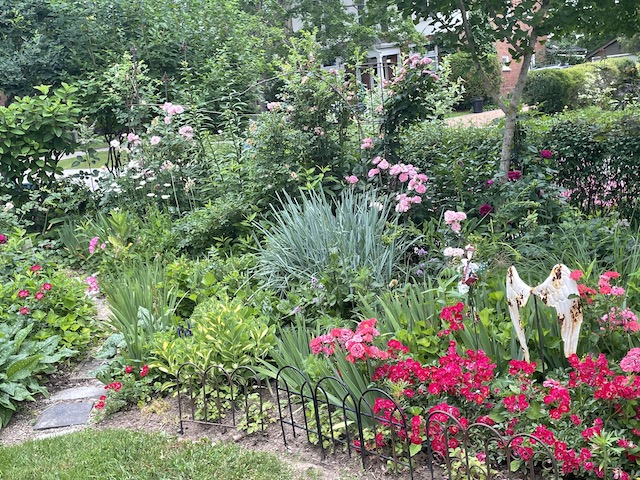
Although this week the Phlox in the back garden is gorgeous and colourful, there is too much of it. Each clump will make at least 2 plants. And the Barnardo Garden will be a grateful recipient. However, when the blooms are done, we quickly forget what colour is where... you can take lots of photos or take a bit of flagging tape (bright orange) and mark some stems at the bottom of the plant. I like the fact the plants are close together... no weeds, but plants need to breathe too and too little space doesn't give them enough air and keeps the rain off the roots.
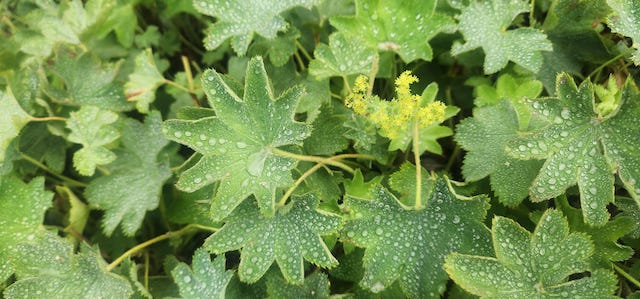
Water, water, water...There will be some plants that will need hand watering during the heat.... I like to water those that need it, in the early evening so the cool night retains the water in the soil.... mornings, can burn off the moisture and by evening, the garden is dry again. Be sure to water at the roots... spraying overhead will only leave water drops on the leaves and rarely gets to the roots. Having said that.... some plants have leaves that hold water drops and small bees and insects find that easier than water dishes. So, see what plants will do that (Ladies Mantle - (Alchemilla Mollis) is perfect for this. We saw a wee bee on one but couldn't get a photo...
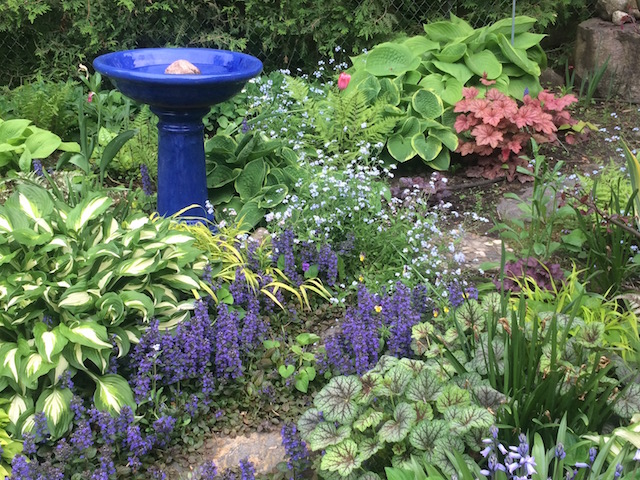
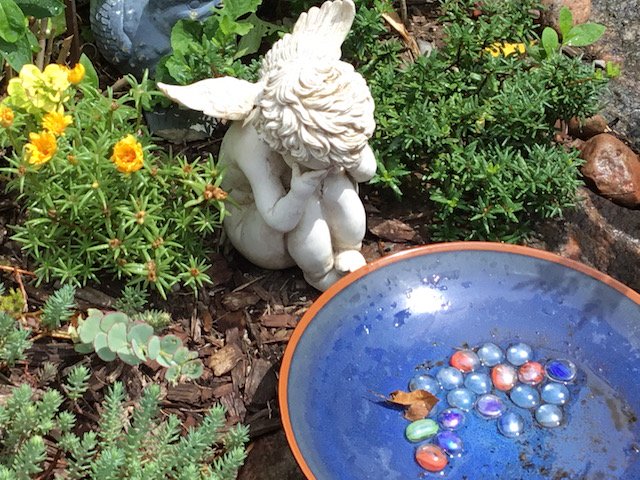
REMEMBER THE BEES.... small flat dishes with little stones for their little feet. Even the neighbourhood squirrels drink out of the bird baths.... before the birds take their morning baths, though.
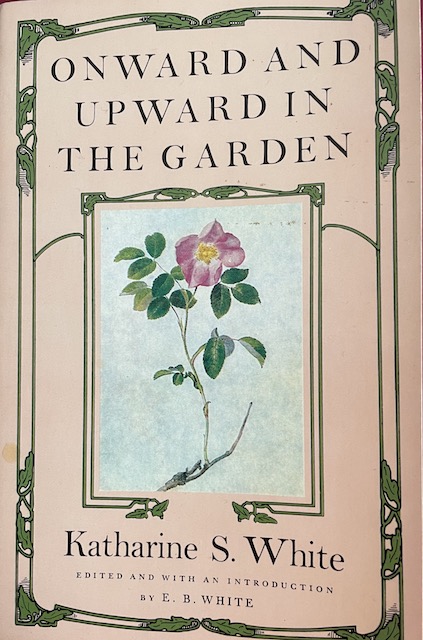
BOOKS...“Onward and Upward in the Garden” Katherine S. White (with a forward by her husband, E.B. White “To write of Katherine simply as a gardener, would be like writing of Ben Franklin simply as a printer …. she simply accepted the act of gardening as the natural thing to be occupied with no matter where one was or how deeply involved in other affairs ….writing was slow and torturous going “
UNTIL NEXT TIME...
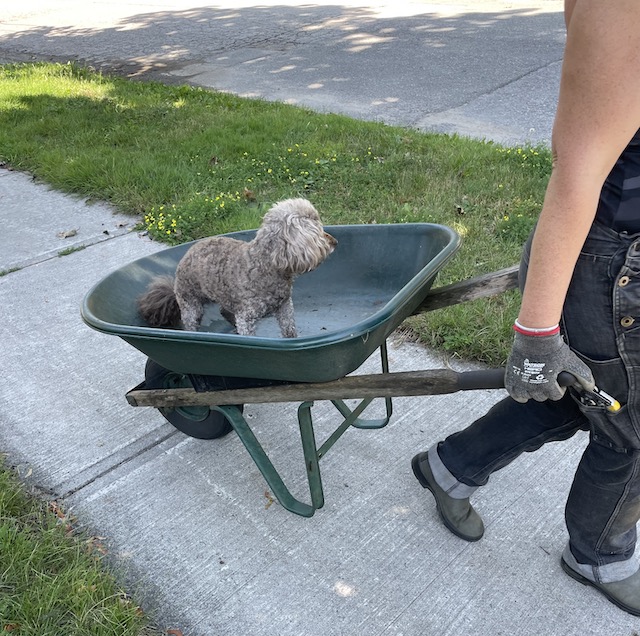
LUCY SAYS...Lucy says be sure to take a ride whenever it is offered... it could make the walk shorter and more interesting from this perspective.
Back Issues for Garden Bliss & Blunder
|
| Back to Back Issues Page |